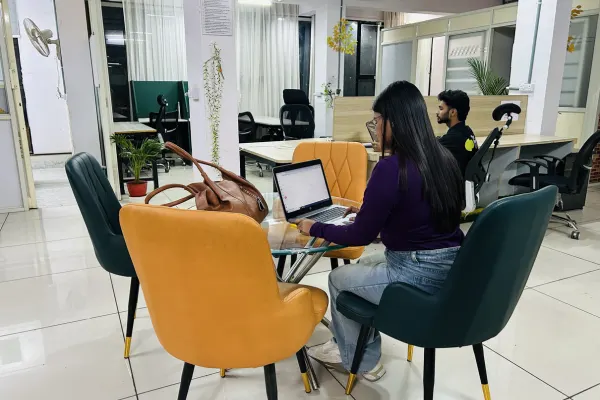

A coworking space is a shared work environment where people from different companies or backgrounds rent a desk or office on a flexible basis. It offers everything you'd find in a regular office, desks, fast internet, meeting rooms, and printing, without the long-term commitment of a traditional lease. Freelancers, remote workers, startups, and even large companies use coworking spaces to stay productive, cut costs, and connect with others.
Introduction
Not long ago, work looked the same for most people. You got dressed, drove to an office, sat at your assigned desk, and repeated the same routine five days a week.
That picture has changed a lot.
Today, millions of people work remotely. Some are freelancers managing several clients.
Others are employees whose companies have gone fully remote. Many are small business owners who simply do not need an entire office to themselves.
And for a lot of these people, working from home every single day starts to feel isolating, distracting, or just plain dull.
That is where a coworking space comes in.
It is not a coffee shop, and it is not a private office either.
It sits right in the middle, a place built for work, shared by many, and designed for flexibility.
This guide breaks it all down in plain, simple terms.
What exactly is a coworking space?
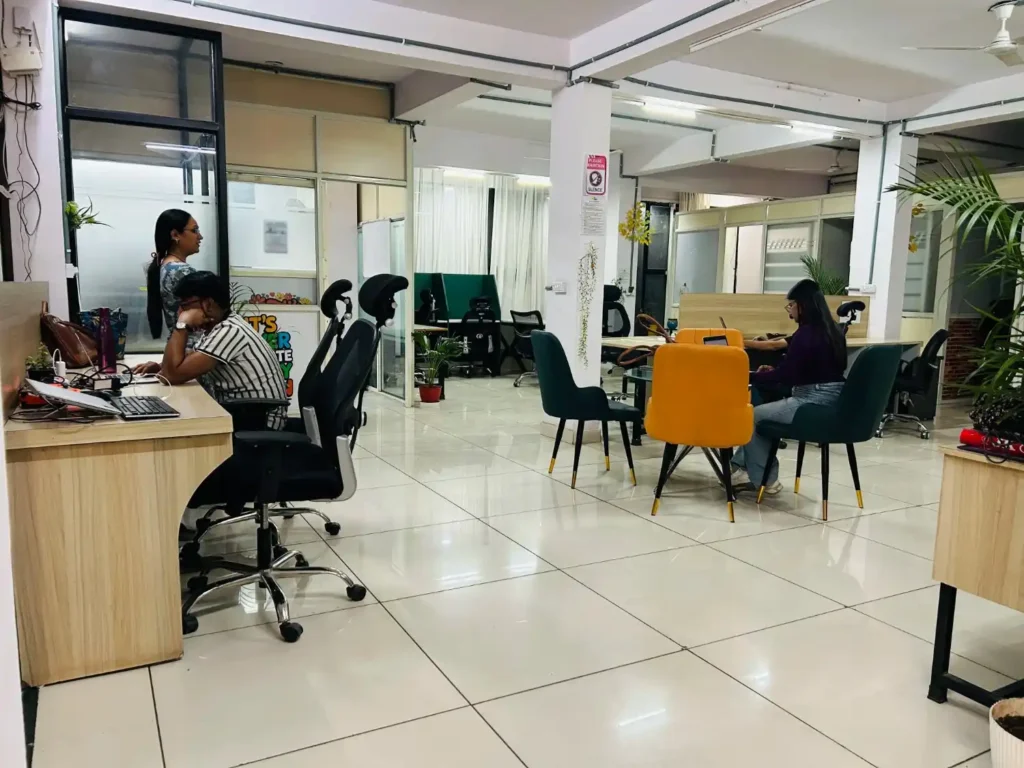
A coworking space, to be precise, is a shared workplace that different people rent together.
Instead of one company owning the whole floor, many individuals and small teams share the same building and sometimes the same room.
Consider it similar to a gym membership for your professional life.
You pay a monthly fee, show up whenever you want, use the equipment available, and go about your day.
You are around other members, but everyone is focused on their own thing.
People who use coworking spaces do not all work for the same company.
The beauty of a co-working space is that you might be sitting next to a graphic designer, a software developer, a marketing consultant, and a startup founder, all in the same afternoon.
How did coworking spaces come about?
In 2005, the first coworking space started in San Francisco.
A software engineer named Brad Neuberg wanted a middle ground between working alone at home and being stuck in a rigid corporate office.
He rented a space, set up some desks, and invited others to join him a few days a week.
The idea caught on slowly at first, then rapidly.
By the early 2010s, coworking spaces were popping up in cities around the world.
The rise of remote work, the gig economy, and faster internet made the concept even more appealing.
Today, there are tens of thousands of coworking spaces across the globe, from small neighborhood spots to massive multi-floor buildings in city centers.
How does a coworking space actually work?
Most coworking spaces run on a membership model.
You sign up for a plan that suits how often you want to use the space, and you get access to the facilities based on that plan.
Here are the most common options you will find:
1. Hot Desk: You get access to the shared open floor. You sit wherever there is space available. This is usually the most affordable option and works well for people who do not need the same seat every day.
2. Dedicated Desk: You pay a bit more and get a fixed desk that is yours. Your things can stay there. You do not have to pack up every evening. This completely belongs to you.
3. Private Office: A lockable room for you or your small team. You get the privacy of a traditional office with all the shared amenities still available to you.
4. Day Pass: No commitment, no membership. You pay for a single day and use the space. Great if you are visiting a city or need a quiet place to work occasionally.
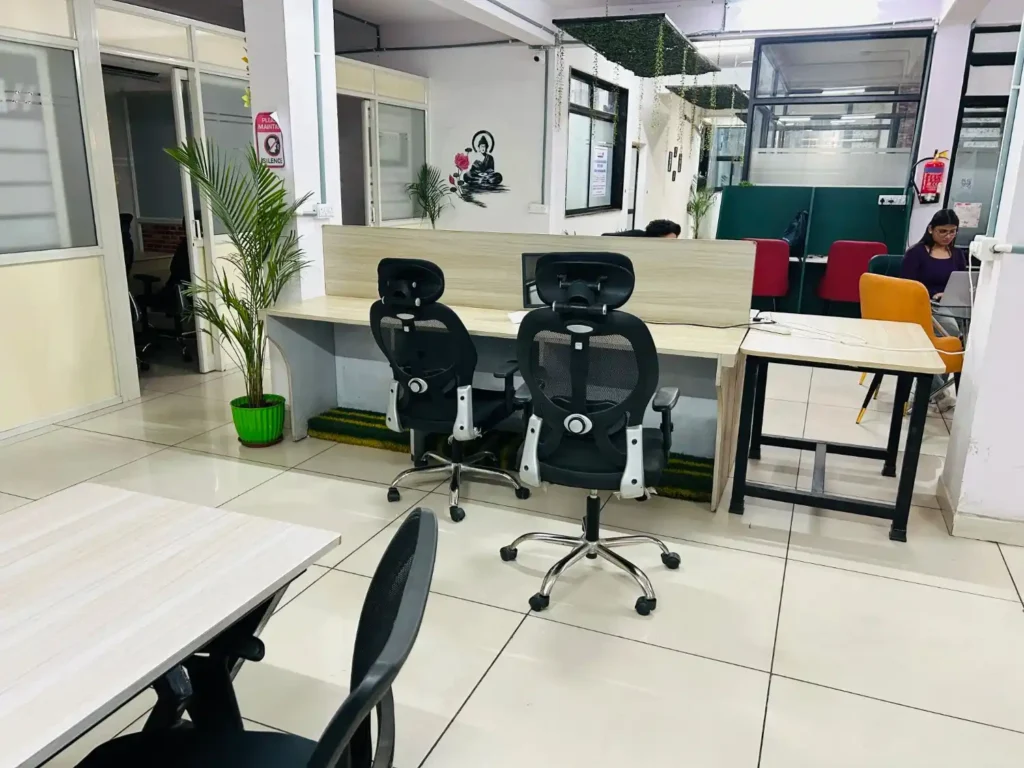
Most spaces also include things like high-speed Wi-Fi, printing and scanning, a kitchen or café area, meeting rooms you can book by the hour, and sometimes extras like phone booths, event spaces, or podcast studios.
Who actually uses a coworking space?
Now this is an actual question. You see, a wide range of people use a coworking space, and that mix is a big part of what makes them interesting.
1. Freelancers and independent workers: A large chunk of people who make up a large portion of coworking members are freelancers and independent workers. Working from home can feel lonely and unproductive after a while. A coworking space gives freelancers a professional environment without the overhead of renting a private office.
2. Remote employees: Remote Workers whose companies do not have a local office also make great use of coworking spaces. Some employers even pay for their team members’ memberships as a work benefit.
3. Startups and small teams: Small teams and early startups often start in a coworking space before growing into their own office. It keeps costs low in the early stages while still giving the team a place to meet and collaborate.
4. Digital nomads: People who travel while working, rely on coworking spaces in new cities so they always have a reliable place to plug in and get things done.
5. Larger companies: Sometimes, large enterprises also start booking coworking spaces for satellite teams or project-based work in cities where they do not have a permanent office.

What are the real benefits of using a coworking space?
Now that we know what coworking means, who is it meant for? But what are the real-life benefits? Let’s find out.
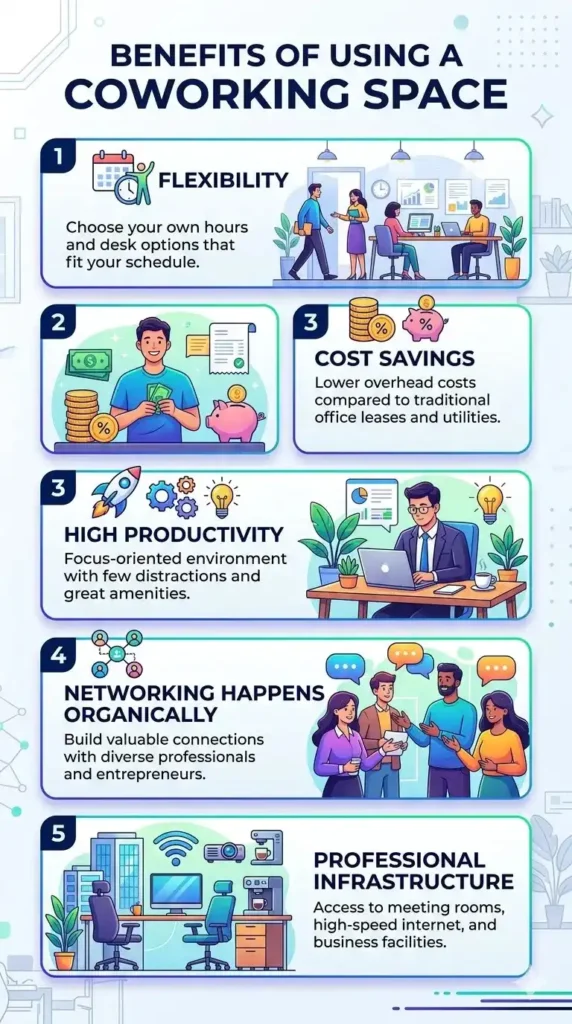
1. Flexibility: One of the largest and most noticeable benefits of coworking space is the flexibility it offers. You are not locked into a year-long lease or a five-day-a-week schedule.
2. Cost savings: A private office in a major city can cost thousands of dollars a month. A coworking membership can give you a professional setup for a fraction of that.
3. Productivity tends to go up: In your home, you have a lot of distractions like dishes, TV, temptation to take a nap, which can almost kill your productivity. But in a coworking, you are surrounded by others who are also working, which naturally encourages focus and makes your day productive.
4. Networking happens organically: When you share a space with professionals from different industries every day, conversations happen. Those conversations sometimes turn into referrals, collaborations, or friendships. It is the kind of community that is hard to build when you are working alone at home.
5. Professional infrastructure is already set up: You do not have to worry about setting up internet, buying a printer, or finding a meeting room for a client call. Everything is already there.
What should you look for before choosing one?
Now that you have decided that you want to switch to a coworking space. But all coworking spaces are the same. Before signing up for a membership, it is worth thinking through a few things.
1. Location matters: Is it easy to get to from where you live? A coworking space that requires a long commute kind of defeats the purpose for many remote workers.
2. Budget: Compare what different plans include. Some spaces offer great entry-level pricing but charge extra for meeting rooms or printing. Make sure you understand the full cost.
3. The community and vibe. Some coworking spaces attract mostly tech workers. Others have a more creative crowd. Some feel buzzy and social. Others are quieter and more heads-down. Visit the space before committing; if you can, even a short tour can tell you a lot.
4. Amenities that match your work: If you take a lot of calls, check whether there are phone booths or quiet areas. If you meet clients regularly, make sure meeting rooms are available and reasonably priced.
5. Hours of operation: Many spaces are 24/7, but some are not. If you work early mornings or late nights, this is worth checking.
Is a coworking space the right fit for you?
A coworking space tends to work really well for people who need a reliable, professional place to work but do not need or want a full private office. If any of the following sounds like you, it might be worth trying:
a. You work from home but find it hard to stay focused.
b. You want a professional environment for client meetings
c. You are new to a city and want to meet other professionals
d. You are a freelancer or small business owner, watching your expenses
e. You are part of a small team that needs a place to collaborate occasionally
On the other hand, if your work involves highly confidential information, requires a lot of specialized equipment, or you simply prefer complete privacy, a coworking space might not be the best fit every day, though a private office option within such a space could still work.
Trying one is the best way to find out. Most spaces offer a free day pass or trial so you can get a feel before committing to a membership.
Conclusion
The way people work has shifted in a big way over the past decade. Offices are no longer the only option, and working from home is not always the best one either.
Coworking spaces have grown because they fill a real gap, offering structure, community, and professional infrastructure without the rigidity of a traditional office setup.
Whether you are a freelancer, a remote worker, or a growing small business, understanding what a coworking space offers helps you make a smarter decision about where you do your best work.