

Introduction
Starting a new business is exciting, but there are many challenges to overcome.
Most startups begin with limited budgets, small teams, and big goals.
In the early stages, business owners try to manage costs while creating a productive environment for their teams.
This is one reason why many startups are changing the way they work.
Over the last few years, coworking spaces have become very popular in India and across the world.
Instead of renting traditional offices with long contracts and high setup costs, startups are choosing flexible workspaces that are easier to manage.
These spaces are not only about desks and chairs.
They also help businesses connect with people, work more efficiently, and grow in a better environment.
Today, coworking spaces for startups are becoming an important part of modern business culture.
From small creative teams to growing tech companies, many startups now prefer flexible office spaces that match their changing needs.
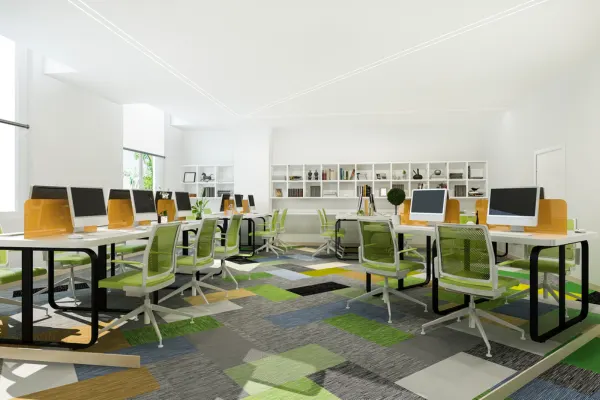
Understanding the Needs of Modern Startups
1. Limited Budget and High Operational Costs
Every startup wants to save money during the early stages.
Renting a traditional office often requires a large investment.
Businesses may need to pay for furniture, internet, electricity, maintenance, security deposits, and office equipment.
These costs can become difficult for small businesses to handle.
Startups usually look for affordable solutions that allow them to focus more on business growth instead of office management.
This is why many entrepreneurs prefer coworking spaces for startups, because they offer a ready-to-use office environment at a lower cost.
2. Need for Flexibility in Early Business Stages
Startup teams often change quickly.
Some businesses begin with only two or three people and expand within a few months.
Others may work remotely and need office space only a few days a week.
Traditional offices usually come with long-term contracts that are not suitable for fast-changing businesses.
Flexible workspaces give startups the freedom to scale up or down whenever needed.
This flexibility helps businesses avoid unnecessary financial pressure.
3. Importance of Networking and Collaboration
Startups grow faster when they meet the right people.
Business owners often need partnerships, clients, investors, or guidance from experienced professionals.
Coworking spaces create a community-driven environment where people from different industries work together.
This increases the chances of collaboration and learning.
For startups, being around creative and motivated professionals can bring fresh ideas and valuable opportunities.

Why Coworking Spaces Are Good for Startups?
1. Cost-Effective Office Solution
One of the biggest reasons startups choose coworking spaces is affordability.
Businesses do not need to spend money on setting up an office from scratch.
Most coworking spaces already provide internet, furniture, electricity, air conditioning, and office maintenance.
This allows startups to save money and use their budget for hiring employees, marketing, product development, or business expansion.
Coworking spaces for startups help reduce operational stress while maintaining a professional office setup.
2. Flexible Membership Options
Different startups have different requirements.
Some teams need a dedicated office every day, while others only need a workspace occasionally.
Coworking spaces usually offer daily, weekly, monthly, or customized plans.
Startups can choose a plan according to their budget and team size.
As the business grows, companies can easily add more seats or move to larger office areas without changing locations.
3. Better Networking Opportunities
Networking is one of the strongest advantages of coworking spaces.
Entrepreneurs, freelancers, consultants, and small businesses often work in the same environment.
This creates opportunities for partnerships and collaborations.
Many startups find clients, service providers, or mentors simply by interacting with people around them.
Some coworking spaces also organize workshops, networking events, and business meetups that help startups connect with industry professionals.

4. Professional Work Environment
Working from home may seem comfortable, but it can also bring distractions.
A professional workspace helps people stay focused and organized.
Coworking offices provide meeting rooms, quiet working areas, and business-friendly environments.
This improves productivity and creates a better impression on clients.
Startups that meet customers or investors in professional spaces often appear more reliable and organized.
5. Access to Modern Amenities
Modern businesses need more than just a table and an internet connection.
Most coworking spaces provide several useful facilities under one roof.
These amenities usually include:
- High-speed internet
- Conference rooms
- Printing and scanning facilities
- Reception support
- Cafeteria and common areas
- Power backup and security
Getting all these services separately in a traditional office can be expensive.
Coworking spaces for startups simplify daily operations by offering everything in one place.
6. Increased Productivity and Motivation
Many entrepreneurs struggle with isolation while working from home.
A shared office environment creates energy and motivation.
Being surrounded by hardworking professionals often encourages people to stay productive.
Team members can communicate more effectively, exchange ideas quickly, and maintain a better work routine.
A positive atmosphere can improve creativity and work performance over time.
7. Prime Business Locations at Affordable Prices
Office location matters for every business.
A good address can improve brand image and make meetings more convenient for clients and employees.
However, renting office space in prime locations can be very expensive for startups.
Coworking spaces solve this problem by offering affordable workspaces in well-connected business areas.
Startups can enjoy premium locations without paying huge rental costs.

8. Better Work-Life Balance
Managing a traditional office can become stressful.
Business owners often need to handle cleaning, maintenance, internet issues, and utility bills along with their actual work.
Coworking spaces reduce these responsibilities.
Since most office management tasks are already handled, startups can focus more on their business and employees.
Flexible working hours also help teams maintain a healthier balance between work and personal life.
9. Faster Team Expansion
Growth is unpredictable for startups.
A business may suddenly need more employees after receiving new projects or funding.
Coworking spaces make expansion easier because startups can quickly increase seating capacity or shift to larger office areas.
There is no need for expensive office relocation or complicated setup work.
This makes coworking spaces for startups a practical option for growing businesses.
10. Opportunities to and Mentors
Many coworking communities organize startup events, workshops, and networking sessions.
These activities give entrepreneurs the chance to meet investors, mentors, and experienced business owners.
For early-stage startups, guidance from experienced professionals can make a big difference.
Even casual conversations in shared spaces may lead to valuable business advice or future opportunities.

The Future of Coworking Spaces for Startups
The way people work is changing rapidly.
Hybrid work culture and flexible office models are becoming more common across industries.
Many businesses no longer want long-term office commitments because they prefer adaptable working solutions.
As startups continue to grow in India, the demand for flexible office spaces is also increasing.
Cities like Bhopal, Bangalore, Pune, and Hyderabad are seeing a rise in coworking culture because startups want affordable and professional workplaces.
Experts believe coworking spaces will continue to play a major role in helping businesses work smarter and grow faster in the coming years.
Conclusion
Startups need flexibility, affordability, networking opportunities, and productive work environments to grow successfully.
Traditional offices may not always meet these needs, especially during the early stages of business growth.
This is why coworking spaces for startups are becoming a preferred choice for modern entrepreneurs.
These spaces provide more than just office infrastructure.
They create communities where businesses can learn, connect, and expand without unnecessary pressure.
As the startup ecosystem continues to grow, flexible workspaces are likely to become an even more important part of modern business culture.
Brands like The Work Culture reflect how coworking spaces are evolving to support startups with practical and collaborative work environments.
FAQs
1. Why do startups prefer coworking spaces?
Startups prefer coworking spaces because they are affordable, flexible, and easy to manage. They also provide networking opportunities and professional office facilities.
2. Are coworking spaces cheaper than traditional offices?
Yes, coworking spaces are usually more cost-effective because businesses do not need to spend separately on furniture, internet, electricity, or maintenance.
3. Can coworking spaces help startups network with investors?
Many coworking spaces organize networking events and startup meetups where entrepreneurs can connect with investors and mentors.
4. Are coworking spaces suitable for small teams?
Yes, coworking spaces are perfect for small teams due to their flexible seating options and expandable office solutions.
5. What facilities do coworking spaces provide?
Most coworking spaces provide high-speed internet, meeting rooms, printing facilities, cafeteria access, security, and office support services.
6. Do coworking spaces improve productivity?
A professional and collaborative environment often helps people stay focused, motivated, and productive.
7. Is a coworking space good for remote startup teams?
Yes, remote teams can use coworking spaces for meetings, collaboration, and occasional office work whenever needed.
8. How do coworking spaces help businesses grow?
Coworking spaces help businesses expand by lowering operating costs, increasing networking possibilities, and offering flexible office alternatives.